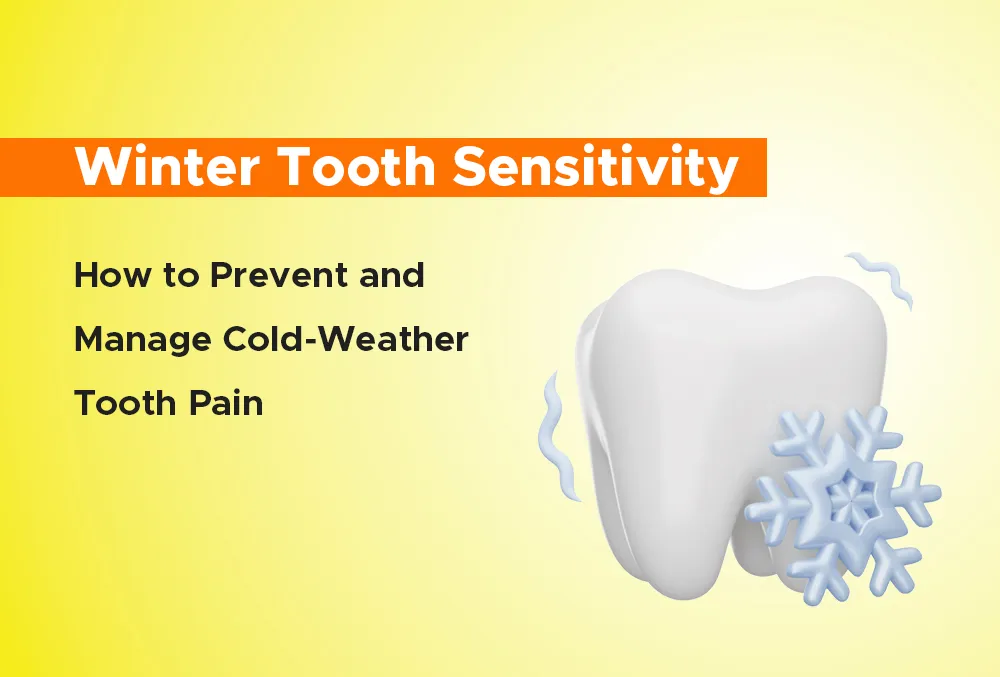
Cold air, cold drinks, or even breathing in winter can suddenly make your teeth hurt. The pain often comes without warning and fades quickly, leaving you confused and worried. Many people wonder if it is a cavity or a serious dental problem. That uncertainty is why most people search for answers. They want quick relief and a clear explanation.
In most cases, this discomfort is winter tooth sensitivity. It happens when cold reaches a sensitive area of the tooth or along the gumline, causing cold-weather tooth pain. For many people, the issue is manageable with simple daily care and does not always mean a major dental problem.
At National Dental Care, the best dental hospital in Hyderabad, we see this concern every winter and help patients understand whether it is normal sensitivity or a sign that needs attention.
Read on to learn how to ease the cold-weather tooth pain, protect your teeth, and know when to visit a dentist or a dental clinic in Hyderabad.

Is This Winter Tooth Sensitivity Or A Toothache Due To Cold?
If the pain is a quick sharp zing that stops fast, it is usually sensitivity, but a longer or stronger pain can be a toothache due to cold that needs a check.
What Winter Tooth Sensitivity Usually Feels Like?
- A quick zing on cold air or cold water,
- Pain that stops within seconds,
- Often happens in more than one tooth,
- It feels like sensitivity rather than deep pain.
What A Toothache Due to Cold Is More Likely To Feel Like?
- Pain that stays after the cold is gone,
- Pain that wakes you up,
- Pain that gets worse on chewing,
- Pain that keeps coming back in the same spot.
Simple 60 Second Self Check
- Is it one tooth or many teeth?
- Does it last seconds or minutes?
- Is it only cold, or also biting?
- Do you feel persistent-pain or sharp-pain?
Why Does Cold-Weather Make Tooth Pain Worse In Winter?
Winter can increase pain triggers because cold air hits sensitive areas fast, and dry indoor air reduces your mouth’s natural protection.
Cold Air And Dryness Triggers
- Winter can bring more tooth discomfort,
- Cold-weather changes can trigger pain quickly,
- Winter-air and cold-wind can hit teeth suddenly,
- Low-humidity dries the mouth,
- Heaters add to indoor-dryness,
- Dry-mouth makes teeth feel more reactive.
Breathing And Face Protection Habits That Matter
- Breath-through-mouth makes the mouth drier,
- Open-mouth breathing lets cold air hit teeth,
- A scarf can protect teeth from cold air,
- A mask can help reduce cold air impact,
- Chapped-lips can be a sign you are drying out,
- Dehydration can make the mouth less comfortable.
What Causes Winter Tooth Sensitivity In Simple Terms?
It usually happens when the tooth loses some protection, or the gumline pulls back, so cold reaches a sensitive layer.
Common Tooth Surface Reasons
- Enamel-erosion means the outer layer wears down,
- Exposed-dentin means a sensitive layer is uncovered,
- Microcracks are tiny lines in the tooth,
- Worn-fillings can leave small gaps for cold to enter.
Common Gumline Reasons
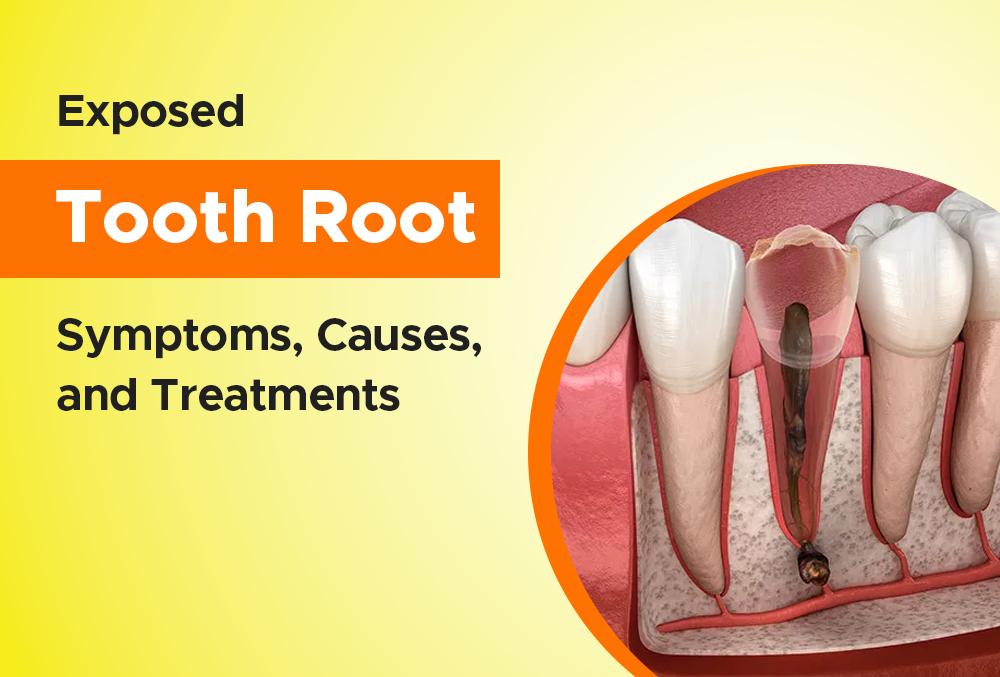
- Gum-recession means the gumline has moved back,
- Root-exposure means the root area is more open to cold.
Common Hidden Reasons
- Cavities can trigger cold pain,
- Tooth-decay can make sensitivity stronger,
- Plaque and tartar can irritate gums and teeth.
Stress And Jaw Habits That Increase Pain
- Bruxism means teeth grinding at night,
- Grinding can create tiny damage over time,
- Clenching can strain the teeth and jaw.
What Can You Instantly Do to Calm Cold-Weather Tooth Pain?
You can reduce cold-weather tooth pain quickly by avoiding triggers, switching to gentle care, and using a sensitivity focused routine.
Instant Cold-Weather Tooth Pain Relief Plan That is Easy to Follow
- Use lukewarm-water for brushing and rinsing,
- Choose room-temperature food and drinks,
- Follow cold-avoidance for very cold drinks,
- Use scarf-cover outdoors if cold air hurts,
- Keep lips protected with lip-balm,
- Avoid avoid-extremes like hot tea then cold air.
Simple Home Relief Options
- Try warm-saltwater once or twice a day,
- Use a salt-rinse after meals if gums feel sore,
- Use OTC-gel only for short relief on one spot,
- Use anti-sensitivity toothpaste as directed,
- Consider short-term-relief only while you fix the cause,
- Keep the focus on daily home-care.
Home Remedies People Ask About
- Clove-oil can numb pain for a short time,
- Oil-pulling can help some people feel cleaner,
- Coconut-oil is a common choice for oil pulling,
- Sesame-oil is another option some people use.
Track What Sets It Off
- Note your pain-triggers,
- Use a simple food-diary for a few days,
- Do basic symptom-tracking so you see patterns,
- Try nasal-breathing outdoors when possible.
What Daily Habits Prevent Winter Tooth Sensitivity From Coming Back?
Daily care works when you clean gently, strengthen the tooth surface, and protect the mouth from dryness.
Brushing And Flossing That Protects Sensitive Teeth
- Brush with soft-bristles,
- Use a gentle-technique,
- Move in circular-motion,
- Brush twice-daily,
- Add flossing once a day,
- Avoid hard pressure and avoid-scrubbing,
- Do not avoid-overbrushing with extra force,
- Change-brush on time,
- Replace it every-3-months.
What Toothpaste And Rinse Choices Help Most With Toothache Due To Cold?
- Use fluoride-toothpaste daily,
- Use desensitizing-toothpaste if cold triggers pain,
- Look for potassium-nitrate in a sensitivity paste,
- Some pastes use strontium-chloride,
- Add a fluoride-rinse if your dentist advises it,
- Use mouthwash only if it is not harsh,
- Focus on remineralizing the tooth surface.
Choose Gentle Products
- Avoid strong whitening pastes,
- Use non-whitening options if you are sensitive,
- Pick low-abrasive toothpaste if you feel zings.
Moisture And Protection Habits
- Keep hydration steady,
- Do water-sipping through the day,
- Chew sugar-free-gum after meals,
- Look for xylitol in the gum,
- Use a humidifier at night if the room air is dry.
What Foods And Drinks Make Cold Pain Worse In Winter?
Sugar and acids can weaken the tooth surface and increase sensitivity, especially when combined with hot and cold swings.
Common Winter Triggers
- Seasonal-snacks often stick to teeth,
- Sugary-treats feed bacteria that cause damage,
- Citrus can be acidic and wear the surface,
- Soda adds acid and sugar,
- Acidic-foods can make teeth feel more reactive.
Drinks That Can Trigger Quick Zings
- Hot-drinks followed by cold air can hurt,
- Hot-chocolate can add sugar plus heat,
- Coffee can be acidic for some people,
- Tea can be hot and trigger a quick change,
- Ice-water can trigger fast pain,
- This fast switch is called temperature-shock.
When Should You Visit A Dentist For A Toothache Due To Cold?
If pain keeps coming back, gets stronger, or is linked to biting, you should book a check to find the real cause.
Red Flags That Should Not Be Ignored
- Pain that lasts more than two weeks,
- A single tooth that hurts more each day,
- Pain on biting or chewing,
- A feeling of a cracked-tooth,
- Gum soreness or bleeding-gums.
What The Dentist Usually Does In A Visit
- A dental-checkup with a close look at teeth and gums,
- A basic exam to find the sensitive spot,
- An X-ray if a cavity or crack is suspected,
- A clear treatment-plan so you know the next step.
Common In Clinic Solutions
- Professional-fluoride to strengthen the tooth surface,
- Topical-fluoride for targeted protection,
- Sealants for grooves that trap bacteria,
- Bonding to cover sensitive areas,
- Gum-graft if the gumline has pulled back a lot,
- A root-canal only if the nerve is badly affected,
- A specialist-referral if a complex issue is found,
- A clear follow-up plan so pain does not return.
When Sinus Issues Are The Real Reason
- Sinus-pressure can feel like tooth pain in the upper teeth,
- A dental exam helps rule out tooth causes.
Don’t Let Winter Tooth Sensitivity Disrupt Your Daily Comfort. Book Your Appointment With The Experts Dentists Now!
If your pain feels like a quick zing on cold air or cold drinks, follow the 7 day routine in this blog and track what triggers it. If it does not improve, or if the pain lingers, hurts on biting, or keeps returning in one tooth, it is time to get checked. Searching for a dental clinic near me is a good next step because a simple exam can confirm if it is winter tooth sensitivity or a deeper cause of cold-weather tooth pain.
At National Dental Care, our dentists see this winter problem daily and help you get clear answers fast. If you are in Telangana, you can visit a dental clinic in Hyderabad. If you want a larger setup and more detailed diagnosis, choose the best dental hospital in Hyderabad. If you are in Karnataka, you can book at the best dental clinic in Bangalore, or visit the best dental hospital in Bangalore if you prefer a multi specialist setting.
If cold pain is affecting eating, drinking, or sleep, book your appointment with National Dental Care today for a clear diagnosis and the right treatment plan. Available between 9.00 AM to 9.00 PM (Monday to Sunday), call us at +91 91692 69369.
FAQs
Why do my teeth hurt only in winter?
Cold air and dry indoor air can trigger pain when the tooth surface or gumline is sensitive. A gentle routine and a sensitivity toothpaste often help within one to two weeks.
How do I know if it is a cavity or sensitivity?
Sensitivity is usually quick and stops fast. A cavity often causes longer pain or pain that keeps returning in one tooth, so an exam and X ray can confirm it.
Does sensitive toothpaste work, and how fast?
Yes, it can help if used daily with gentle brushing. Many people feel improvement in 7 to 14 days, but faster worsening pain needs a dental check.
Can grinding make winter sensitivity worse?
Yes, grinding can stress teeth and create tiny damage that reacts to cold. If you suspect it, a dentist can check your bite and suggest simple protection.
Is a root canal always needed for cold pain?
No. It is usually needed only when the nerve is badly affected. Many cases improve with fluoride care, bonding, or fixing a filling.
Can sinus problems feel like tooth pain?
Yes, sinus pressure can cause aching in the upper teeth. If you are unsure, a dental exam helps rule out tooth causes.
Recent Article
October 16, 2026
Gum Disease Treatment Cost in Hyderabad
October 2, 2026
Can I Switch From Braces To Invisalign Mid Treatment?
September 17, 2026
Gum Disease Treatment Cost in Bangalore
August 15, 2026
Halitosis: Causes, Treatments & Prevention
July 15, 2026
Teeth Braces — Cost, Types, Procedure & Benefits
May 18, 2026
Dental attention! Check if you need a tooth filling
April 6, 2026
Exposed Tooth Root Symptoms, Causes, and Treatments
 FAQs
FAQs Send us a Message!