
Halitosis is a clinical term for chronic bad breath and affects about 50% of people. Most people use mints or mouthwash to suppress and wonder why it keeps returning. The reason is that they are treating the symptom rather than the source.
90% of halitosis originates in the mouth and the remaining has systemic origins. The mechanism is same in both the cases: anaerobic bacteria produce volatile sulphur compounds which create the unpleasant odour. These bacteria live in areas that brushing does not reach, which is why breath returns even after cleaning.
At National Dental Care, Whitefield, the focus is not on masking the smell. It is on finding the source properly. The team uses an assessment-first approach for preventive dentistry, with support from an MDS periodontist and CBCT 3D imaging when needed to check deeper gum pockets and hidden oral causes that routine checks may miss.
This guide by our expert dentists at National Dental Care explains all about halitosis causes, halitosis treatments, what genuinely works, and how to stop it coming back.
What Are the Main Causes of Halitosis?
When food particles are not consistently removed through brushing and flossing, they accumulate between teeth, or on the tongue. Bacteria colonise this debris and over time, this bacterial film hardens into calculus which cannot be removed by brushing. Thus, poor oral hygiene, tongue biofilm, and dry mouth account for most of all halitosis cases.
Poor Oral Hygiene and Plaque Accumulation
Poor oral hygiene is the primary halitosis causes, responsible for nearly 90% of cases. Even patients who brush twice daily commonly miss the interdental spaces and the posterior tongue, leaving significant VSC-producing colonies untouched.
Bacteria and Tongue Biofilm
The tongue’s surface has deep papillae that trap bacteria, food particles, dead cells, and post-nasal mucus in a layered biofilm. This tongue coating is the single largest reservoir of VSC-producing bacteria in most patients.
Bacteria here break down sulphur-containing proteins and release hydrogen sulphide and methyl mercaptan continuously. The whitish-yellow coating visible at the back of the tongue each morning is a direct indicator of this activity. Yet tongue cleaning is the most neglected step in daily oral hygiene.
Dry Mouth (Xerostomia)
Saliva is the mouth’s natural defence against halitosis. It washes away food debris, disrupts biofilm formation, and dilutes VSC concentrations. When saliva production drops, bacteria proliferate and VSC output increases. Dry mouth is caused by several factors: medications, habitual mouth breathing during sleep, salivary gland conditions, and chronic dehydration.
Gum Disease, Cavities, and Other Oral Causes
Gum disease (periodontitis) creates deep pockets below the gumline where VSC-producing bacteria thrive, completely shielded from brushing and saliva. This is the primary cause of chronic, treatment-resistant halitosis.
Dietary and Lifestyle Triggers
Garlic, raw onion, fenugreek, and spiced foods contain sulphur compounds absorbed into the bloodstream, carried to the lungs, and exhaled for 8–12 hours after consumption. Brushing cannot remove these and they pass through the body.
Systemic Causes
When oral causes are ruled out, the investigation moves to systemic origins. A sour or acidic breath odour from stomach acid vapours. Uncontrolled diabetes causes a fruity-like breath from ketone production. Kidney disease produces an ammoniacal odour.
What Treatments Actually Work for Halitosis?
Halitosis treatments must match the cause, as there is no universal fix. A dental clinic in Whitefield, performs scaling and, where indicated, laser-assisted root debridement for precise pocket treatment. Most patients notice significant breath improvement within 1–2 weeks.
Professional Scaling and Root Planing
For gum disease and plaque-related halitosis, professional scaling is the most effective treatment. Ultrasonic scalers remove calculus and biofilm from tooth surfaces and from within periodontal pockets below the gumline.
Tongue Cleaning
A tongue scraper used once daily, drawn from the back to the front of the tongue in 3–4 strokes, removes the bacterial biofilm that a toothbrush merely redistributes. Patients who add this correctly notice measurable breath improvement within a week.
Cavity Treatment and Restorations
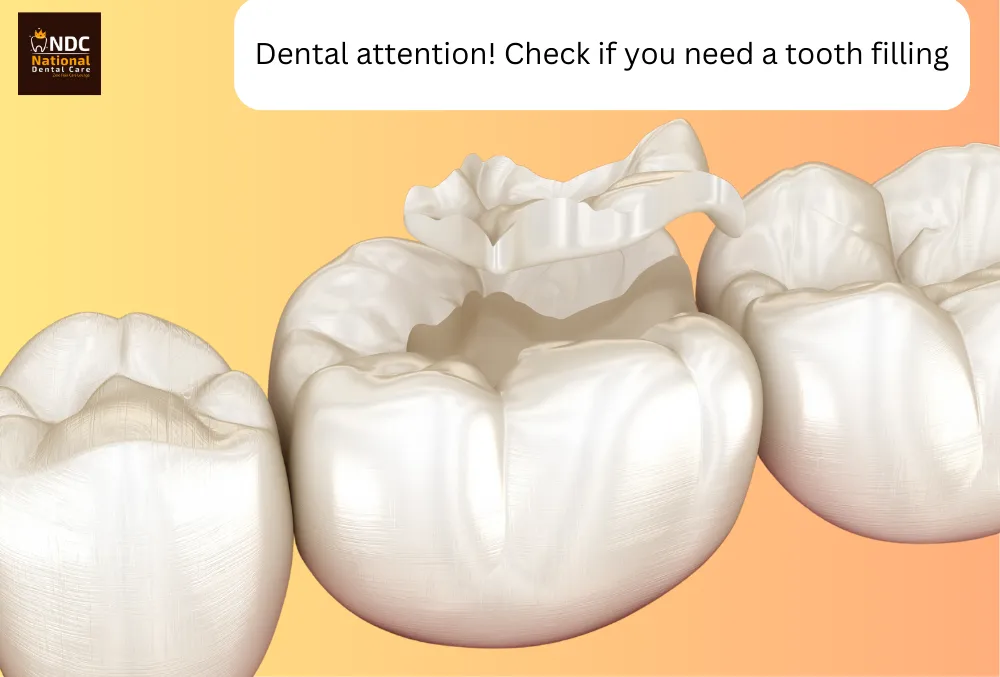
Treating active decay removes the anaerobic bacterial ecosystems that cavities harbour. The dental clinic in Whitefield offers laser-assisted composite fillings, minimal discomfort, precise cavity removal, and durable tooth-coloured results.
Antibacterial Mouthwash Used Correctly
Chlorhexidine and zinc-containing mouthwashes have clinical evidence for reducing VSCs. Chlorhexidine should be used as a short-term treatment adjunct (2–4 weeks maximum) under dental guidance, as extended use causes tooth staining and taste alteration.
Treating Dry Mouth
Where dry mouth is the primary driver: consistent hydration (2.5 or 3 litres daily), sugar-free gum to stimulate salivary flow, and medications by the dental clinic near me, is the best treatment.
How Do You Prevent Halitosis from Returning?
Once the cause is professionally treated, daily habits maintain the result and help in halitosis prevention.
- Brush twice daily for 2 minutes with a fluoride toothpaste on all surfaces including the gumline and backs of molars.
- Use floss or interdental brushes to reach plaque which are unreachable by toothbrush.
- Quit tobacco and betel nut as no professional treatment sustains results while tobacco use continues.
- Also, a professional cleaning or routine scaling prevents recurrence.

Choose National Dental Care for Halitosis Treatment in Whitefield!
Chronic bad breath has a reason behind it. The real solution is not stronger mouthwash or more mints. It is finding and treating that source properly.
At National Dental Care, Whitefield, patients get a more thorough bad breath evaluation than a quick look inside the mouth. The team checks gum health, tongue coating, plaque build-up, and deeper oral causes that may be missed in a routine visit. With support from 22+ years experienced MDS periodontist, and an assessment-first approach, the focus stays on accurate diagnosis before dental treatment begins.
So if you are searching for a trusted dental clinic for long-lasting bad breath treatment, this is the right time to stop guessing and get a proper evaluation. Call National Dental Care now to book an appointment: +91 92369 52369
Frequently Asked Questions
Can halitosis be cured permanently?
Yes, in most cases. When the specific cause is identified and treated, gum disease, tongue biofilm, dry mouth, or systemic condition, halitosis resolves and stays resolved with consistent home hygiene and six-monthly professional maintenance.
Is bad breath always a dental problem?
In 80–90% of cases, yes. However, a fruity or acetone smell may indicate uncontrolled diabetes, an ammoniacal smell may suggest kidney disease, and a musty odour is associated with liver disease. A distinctly chemical smell warrants both dental and medical review.
Recent Article
October 16, 2026
Gum Disease Treatment Cost in Hyderabad
October 2, 2026
Can I Switch From Braces To Invisalign Mid Treatment?
September 17, 2026
Gum Disease Treatment Cost in Bangalore
August 15, 2026
Halitosis: Causes, Treatments & Prevention
July 15, 2026
Teeth Braces — Cost, Types, Procedure & Benefits
May 18, 2026
Dental attention! Check if you need a tooth filling
April 6, 2026
Exposed Tooth Root Symptoms, Causes, and Treatments
 FAQs
FAQs Send us a Message!