A sharp pain in your tooth that keeps you up at night isn’t just an inconvenience. It could be a warning sign of a tooth abscess. This dental condition, often underestimated, can lead to severe complications if ignored. Whether you’re feeling unusual sensitivity or swelling around your gums, understanding the symptoms, causes, and treatment options of a tooth abscess can save your smile, and your health.
A tooth abscess doesn’t just affect your mouth. It can impact your entire well-being. If the infection spreads, it can compromise your jaw, sinuses, and even your bloodstream. That’s why timely diagnosis and effective care are critical.
What Is a Tooth Abscess?
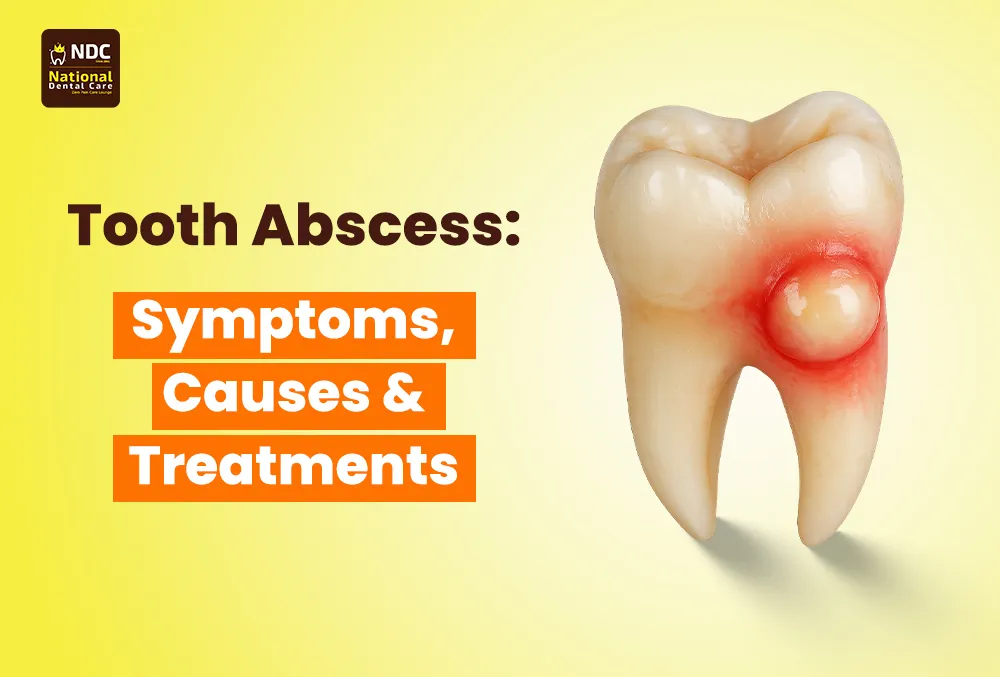
A tooth abscess is a collection of pus caused by a bacterial infection. It commonly develops at the root of a tooth or between the tooth and gum, signifying a serious dental health issue. The pus-filled pocket results from the body’s response to fight off infection, and if not treated promptly, it can lead to further complications, including bone loss and systemic infection.
Types of Tooth Abscesses
- Periapical Abscess: Originates in the soft pulp of the tooth and occurs at the tip of the root.
- Periodontal Abscess: Affects the surrounding structures of the teeth, particularly the periodontium and gums.
- Gingival Abscess: Involves the gum tissue alone and typically occurs due to trauma or foreign body penetration.
Each type has distinct signs and treatment approaches, but all share a common root cause: a bacterial invasion that overwhelms the body’s natural defense mechanisms.
Tooth Abscess Symptoms: Signs You Should Never Ignore
Recognizing tooth abscess symptoms early can prevent the infection from worsening. Common symptoms include:
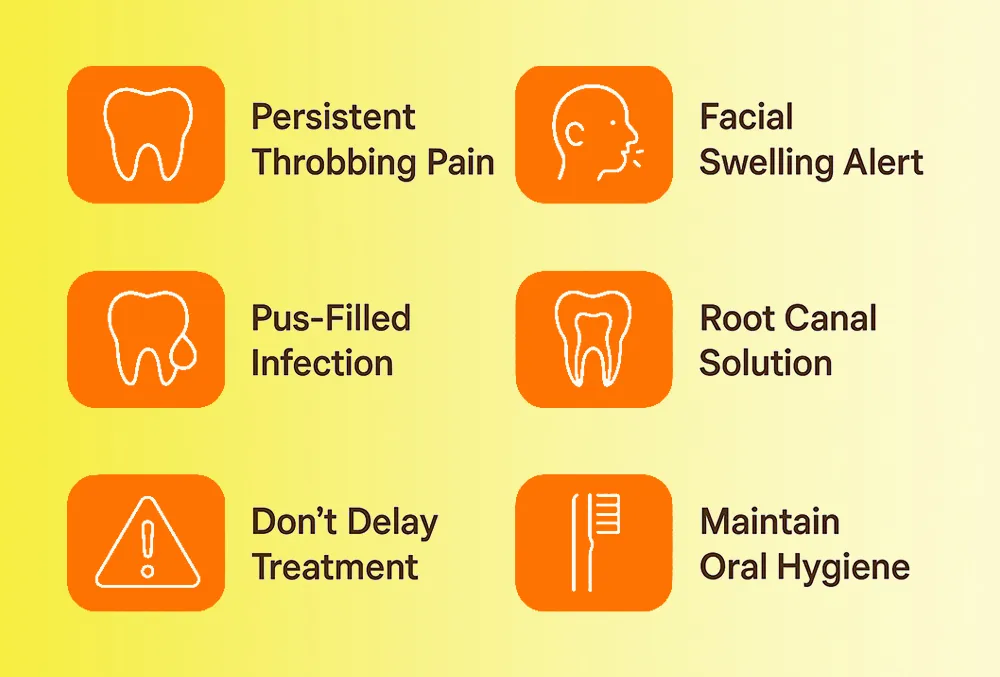
- Severe, persistent toothache: Often described as a throbbing pain, especially when lying down.
- Swelling in the face or cheek: Indicates spreading infection.
- Sensitivity to hot or cold: Due to exposed nerves.
- Pain while chewing or biting: Caused by pressure buildup.
- Red, swollen, or bleeding gums
- Fever and general discomfort
- Bad breath or foul taste: Due to pus drainage in the mouth.
- Swollen lymph nodes: Especially under the jaw or in the neck.
- Sudden relief followed by a bad taste: If the abscess ruptures.
Sometimes, symptoms can appear suddenly and escalate quickly. Other times, they may develop gradually. Either way, dental evaluation is crucial.
Tooth Abscess Causes: Understanding the Root of the Problem
Knowing what causes a tooth abscess can help in prevention and timely intervention. Major tooth abscess causes include:
1. Untreated Cavities
When a cavity isn’t addressed, bacteria can penetrate the tooth pulp, leading to infection.
2. Gum Disease (Periodontitis)
Advanced gum disease creates pockets between teeth and gums where bacteria can accumulate and cause abscesses.
3. Dental Trauma
Cracks, chips, or injuries allow bacteria to enter the inner parts of a tooth.
4. Failed Dental Procedures
Improper fillings or crown placements can leave gaps where infection can start.
5. Weakened Immune System
Conditions like diabetes or autoimmune diseases increase susceptibility to infections.
6. Poor Oral Hygiene
Infrequent brushing or flossing leads to plaque buildup, which eventually harbors infection-causing bacteria.
How Is a Tooth Abscess Diagnosed?
A proper diagnosis involves a clinical examination and often imaging:
- Dental X-rays to determine the extent and location of the infection.
- Percussion test to evaluate pain response.
- Thermal testing to assess nerve vitality.
- CT scans in severe or unclear cases.
Dentists also evaluate gum health, tooth structure, and look for signs of pus discharge or swelling.
Tooth Abscess Treatments: Taking the Right Steps Toward Relief
Effective tooth infection treatment depends on the severity and location of the abscess. The primary goal is to eliminate the infection and preserve the tooth if possible.
1. Draining the Abscess
The dentist creates a small incision in the gum to drain the pus and relieve pressure. This is usually combined with antibiotics.
2. Root Canal Therapy
A preferred method for saving the tooth. The infected pulp is removed, and the tooth is cleaned, sealed, and restored with a crown.
3. Tooth Extraction
When the tooth cannot be saved, it’s extracted to prevent the infection from spreading.
4. Antibiotics
Prescribed when the infection has spread or if drainage isn’t immediately possible. Helps to control bacterial growth.
5. Pain Relief and Home Care
- Over-the-counter painkillers like ibuprofen or paracetamol
- Saltwater rinses for gum soothing
- Cold compress for external swelling
Each treatment plan is personalized based on the patient’s dental history, severity of infection, and overall health condition.
Tooth Abscess: Risk Factors That Can’t Be Ignored
Being aware of these factors can help you stay ahead of dental abscesses:
- Inadequate oral hygiene
- Excessive sugar intake
- Smoking or tobacco use
- Dry mouth due to medications
- History of dental problems or trauma
- Previous failed dental treatments
- Poor dietary habits lacking essential nutrients
- Lack of access to professional dental care
Preventive dental care at a reputed dental clinic in Hyderabad or dental hospital in Bangalore is essential for high-risk individuals.
Possible Complications of an Untreated Tooth Abscess
If ignored, a tooth abscess can lead to:
- Jawbone deterioration
- Tooth loss
- Sinus complications
- Sepsis – A life-threatening systemic infection
- Brain abscess – In rare cases, infection can reach the brain
- Difficulty swallowing or breathing – If swelling affects the airway
- Facial cellulitis – A painful, fast-spreading bacterial skin infection
In some extreme cases, untreated infections can cause hospitalization or require surgical intervention.
Prevention: How to Keep a Tooth Abscess at Bay
Follow these simple but powerful steps to maintain oral health:
- Brush twice a day using fluoride toothpaste
- Floss daily to eliminate plaque buildup
- Eat a balanced, low-sugar diet
- Avoid smoking and excessive alcohol
- Use an antibacterial mouthwash
- Schedule regular dental checkups every 6 months
- Treat cavities and gum issues early
- Wear a mouthguard if involved in sports or prone to grinding teeth
When Should You Visit a Dentist?
Any persistent toothache or swelling warrants immediate attention. Waiting can worsen the problem and complicate treatment.
Don’t wait until the pain becomes unbearable or swelling disrupts your day-to-day activities. Be proactive and seek help from a trusted dentist near me at the first sign of discomfort.
Residents in Hyderabad and Bangalore have access to top-rated dental facilities like National Dental Care, known for their personalized approach and effective treatment of complex dental issues.
Conclusion!
A tooth abscess is more than just a dental issue—it’s a serious health concern that requires timely action. Whether it’s recognizing the early tooth abscess symptoms, understanding the tooth abscess causes, or opting for effective tooth infection treatment, being informed is your first line of defense.
Remember, your mouth can reflect your overall health. Neglecting a dental infection today could mean facing serious consequences tomorrow.
Maintain good oral hygiene, stay informed, and never ignore dental discomfort. With the right care from experienced professionals like those at National Dental Care, you can preserve your oral and overall health for the long term.
Frequently Asked Questions
How can I tell if my tooth pain is from an abscess?
Ans. If the pain is severe, persistent, and accompanied by swelling, fever, or pus drainage, it’s likely an abscess. Seek dental care immediately.
What happens if a dental abscess bursts on its own?
Ans. Though you may feel temporary relief, the infection is still present. It’s essential to visit a dentist for complete treatment.
Can you treat a tooth abscess at home?
Ans. Home remedies can ease discomfort but won’t cure the infection. Professional treatment is necessary.
Is root canal always required for a tooth abscess?
Ans. Not always. Treatment depends on the extent of damage. In some cases, drainage and antibiotics may suffice.
Can a tooth abscess go away with antibiotics alone?
Ans. Antibiotics may temporarily reduce symptoms but won’t eliminate the root cause unless combined with proper dental intervention.
How long does it take to recover from a tooth abscess treatment?
Ans. Recovery usually takes a few days to a week, depending on the procedure and individual healing response.
Recent Article
October 16, 2026
Gum Disease Treatment Cost in Hyderabad

October 2, 2026
Can I Switch From Braces To Invisalign Mid Treatment?
September 17, 2026
Gum Disease Treatment Cost in Bangalore
August 15, 2026
Halitosis: Causes, Treatments & Prevention

July 15, 2026
Teeth Braces — Cost, Types, Procedure & Benefits
May 18, 2026
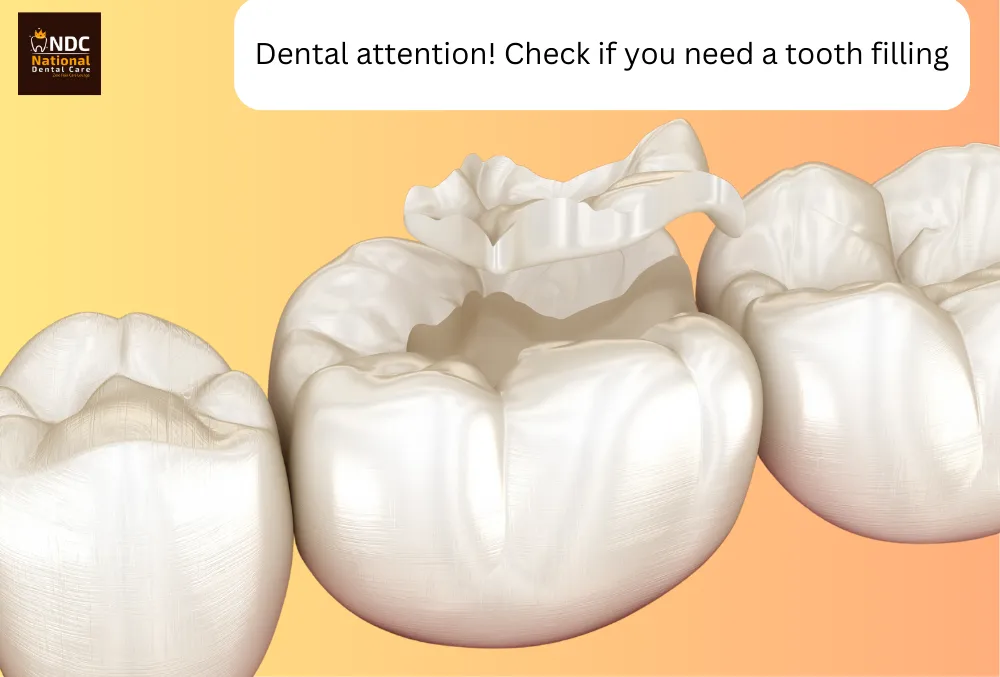
Dental attention! Check if you need a tooth filling
April 6, 2026
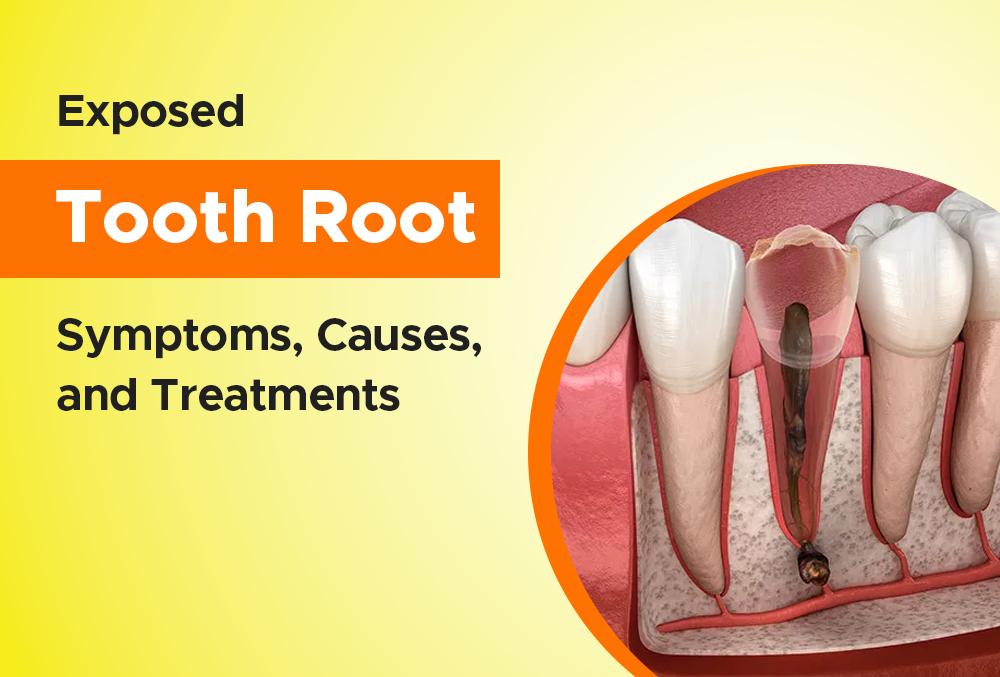
Exposed Tooth Root Symptoms, Causes, and Treatments
 FAQs
FAQs Send us a Message!