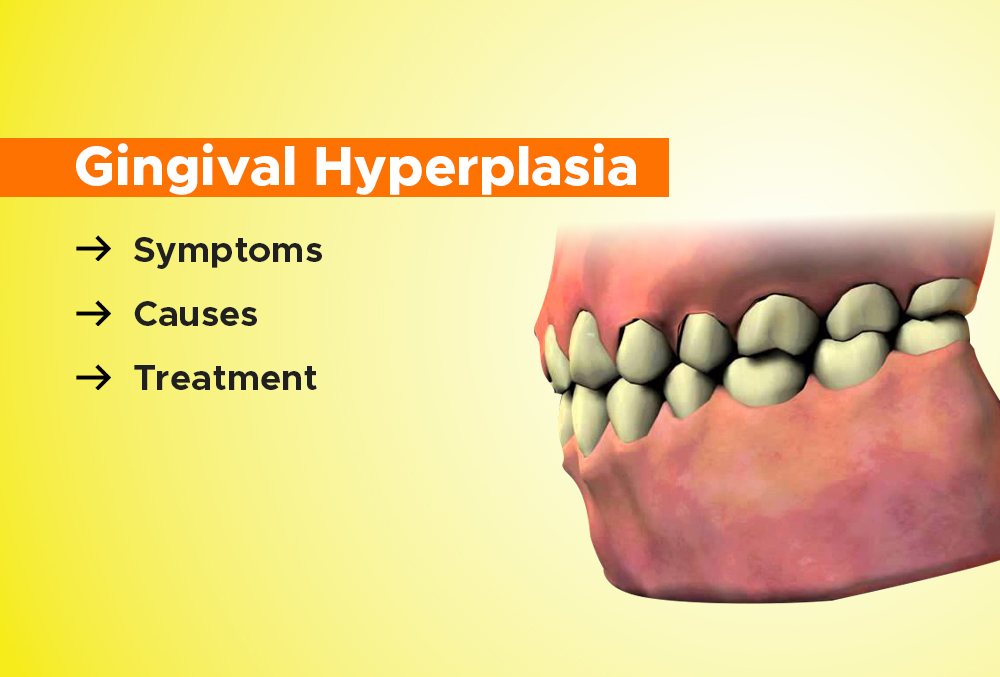
Swollen or enlarged gums that start creeping over your teeth are not just a cosmetic concern they are a clinical problem known as gingival hyperplasia. This condition affects gum function and makes oral hygiene difficult with increasing the risk of periodontal disease. Patients commonly notice thicker gums, difficulty cleaning their teeth, persistent bad breath and increasing discomfort.
This guide by National Dental Care explains Gingival Hyperplasia Symptoms, Gingival Hyperplasia Causes, diagnosis steps and the exact Gingival Hyperplasia Treatment options dentists use. Whether you’re searching for a dentist near me, a trusted dental clinic in Hyderabad or the best dental clinic in Bangalore early understanding helps you make informed decisions for your gum health.
What Is Gingival Hyperplasia?
Gingival hyperplasia is the non-cancerous enlargement of gum tissue around the teeth. The overgrown gums may be bulky, fibrotic or inflamed and may partially or fully cover the tooth surface making the teeth look shorter.
How It Affects You?
- Thickened gum tissue that is harder to clean.
- Deeper gum pockets that trap plaque and bacteria.
- Increased risk of gingivitis and periodontitis.
- Discomfort during brushing or chewing.
- Visible changes in smile aesthetics.
Left untreated then the condition progressively affects oral comfort and periodontal stability.
Common Symptoms of Gingival Hyperplasia
If any of these symptoms persist for more than a week visit a dental hospital in Hyderabad, the best dentist in Hyderabad or a dentist in Bangalore for evaluation.
- Visible gum enlargement.
- Gums covering part of the teeth.
- Bleeding during brushing or eating.
- Bad breath due to trapped plaque.
- Red, dark or shiny gum appearance.
- Sensitivity or pain while chewing.
- Difficulty maintaining oral hygiene.
- Uneven gum line or gummy smile.
These symptoms indicate changes in the gum tissues that require professional assessment.
What Causes Gingival Hyperplasia?
Several factors contribute to abnormal gum overgrowth. The most common Gingival Hyperplasia Causes include:
1. Poor Oral Hygiene
Chronic plaque irritation triggers inflammation causing tissue thickening.
2. Medications
Drugs like anticonvulsants, immunosuppressants and calcium channel blockers may stimulate excessive gum tissue formation.
3. Genetic Predisposition
Some individuals naturally react more strongly to plaque or irritation.
4. Hormonal Changes
Puberty and pregnancy can increase gum sensitivity and swelling.
5. Systemic Conditions
Leukemia and immune disorders can cause sudden generalized gum enlargement.
6. Ill-fitting Appliances
Braces, dentures and poorly contoured dental restorations irritate gum margins.
7. Untreated Gum Disease
Chronic gingivitis or periodontitis leads to structural gum changes over time.
How Dentists Diagnose Gingival Hyperplasia
To identify the cause and severity accurately dentists perform a structured diagnostic process.
Diagnostic Steps Include:
- Visual examination of gum contour and color.
- Pocket depth measurements.
- Plaque and calculus analysis.
- Complete medication review.
- Medical history screening.
- Digital X-rays to assess underlying bone.
- Biopsy only when tissue behavior appears unusual.
This ensures your Gingival Hyperplasia Treatment plan is precise and effective.
Effective Treatment Options for Gingival Hyperplasia
Treatment depends on the cause and severity of the enlargement.
1. Professional Dental Cleaning
Cleaning below the gums with scaling and root planing removes the hard deposits and reduces the swelling.
2. Improved Oral Hygiene Practices
The dentist gives detailed instructions on how to brush correctly always use interdental cleaning and apply antibacterial rinses.
3. Medication Modification
In case the situation is a drug side effect, the dentist will work with your doctor to find the most suitable alternative medication.
4. Treating Gum Disease
Deep cleaning, the use of a small dose of antibiotic locally, and periodontal maintenance are the methods that help regain the inflammatory process.
5. Surgical Correction (For Moderate to Severe Cases)
When excess tissue does not regress with cleaning alone:
- Gingivectomy to remove overgrown tissue.
- Flap surgery for deep cleaning and reshaping.
- Laser gum contouring for minimally invasive to get the precise results.
6. Managing Systemic Health Issues
Dentists collaborate with medical specialists to address systemic factors contributing to gum enlargement.
7. Long-Term Maintenance
Regular checkups every 3-6 months prevent recurrence and ensure gum stability.
How to Prevent Gingival Hyperplasia
- Brush twice daily using proper technique.
- Clean between teeth regularly.
- Visit a dental clinic in Hyderabad or the best dental clinic in Bangalore for routine cleanings.
- Monitor gum reactions when starting new medications.
- Treat gum disease early.
- Maintain balanced nutrition.
- Avoid smoking and tobacco products.
Consistent care helps prevent or control gum overgrowth.
When Should You Visit a Dentist?
Seek immediate evaluation if you notice:
- Gum enlargement persisting beyond two weeks.
- Gums covering part of your teeth.
- Bad breath despite good hygiene.
- Difficulty brushing or flossing.
- Bleeding or redness that doesn’t improve.
- Swelling after starting a new medication.
Early diagnosis prevents the condition from turning into severe periodontal disease.
Specialized Gingival Hyperplasia Care at National Dental Care
At National Dental Care, patients receive advanced periodontal evaluation and treatment supported by 15+ years of clinical excellence, modern technology, and a highly trained team of gum specialists. With multiple clinics across India and a strong reputation for delivering safe, painless, and result-driven treatments, the centre ensures comprehensive care for every patient.
Why Patients Choose National Dental Care?
- Expert periodontal specialists trained in advanced gum therapies.
- Laser-assisted gum contouring for precise, minimally invasive reshaping.
- High-tech diagnostics including digital imaging and intraoral scanners.
- Personalized treatment plans based on the root cause.
- Preventive care protocols that reduce the likelihood of recurrence.
If you’re experiencing swollen gums, excessive gum growth, bleeding, or difficulty cleaning your teeth, National Dental Care offers reliable, safe, and comprehensive gingival hyperplasia treatment helping you achieve healthier gums, improved aesthetics, and long-term oral well-being.
Frequently Asked Questions:
What are the major Gingival Hyperplasia Causes?
Among the factors that may lead to the condition are the accumulation of plaque, some drugs, changes in sex hormones, hereditary factors and gum disease which has not been treated. Taking a checkup at the best dental hospital in Bangalore or a trusted dental hospital in Hyderabad would be helpful in knowing the exact cause.
How do dentists perform Gingival Hyperplasia Treatment?
One of the phases might be professional cleaning, deep scaling, change of medication, periodontal therapy, or reshaping of gums like gingivectomy or laser contouring. To get an accurate treatment plan you need to meet the best dentist in Hyderabad or an experienced dentist near me.
Can gingival hyperplasia be cured without any intervention?
Ans. Absolutely not! The situation is very inflamed and, in general, needs a professional to relieve the inflammation, clean the parts covered with plaque thoroughly, and remove the excess gum tissue surgically. Those people who are regularly going to the best dental clinic in Bangalore or a qualified dentist in Bangalore will easily be able to keep the disease under control.
When should I see a dentist for gum overgrowth?
Ans. Gum enlargement more than two weeks in duration, partially covering the teeth and being accompanied by pain and bad breath, the decision of where to go for help at a dental hospital in Hyderabad or the best dental clinic near me is the first thing to do. The early diagnosis implies that treatment will be more effective and faster.
Recent Article


January 19, 2026
Rejuvenate Your Smile: Best Dental Bridges and Crowns in Hyderabad

January 15, 2026
Zapping vs. Cutting: The Showdown in Wisdom Teeth Removal
January 7, 2026
Pericoronitis – Symptoms, Causes, Treatment

January 6, 2026
Oral Mucositis – Symptoms, Causes, Treatment

December 3, 2025
Gingival Hyperplasia – Symptoms, Causes, Treatment
December 1, 2025
Dental Granuloma – Symptoms, Causes, Treatment

November 25, 2025
Why India is Emerging as a Top Destination for Dental Tourism?
 FAQs
FAQs Send us a Message!