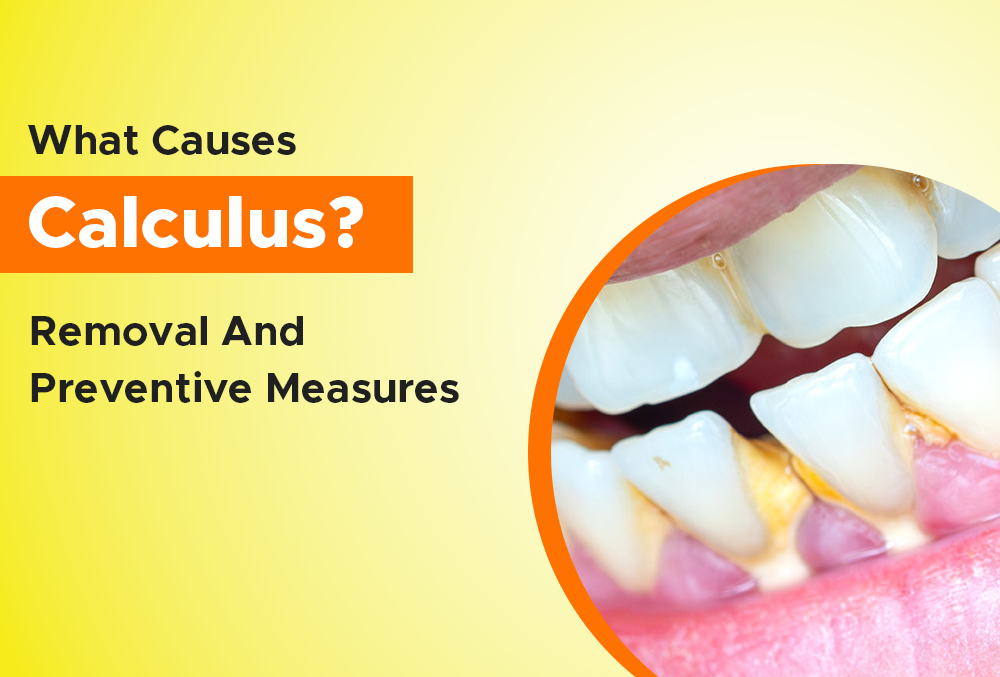
You brush, rinse, still one day you notice something rough near the gums. It looks yellow or brown. Your gums bleed a little. That is the point when you wonder, why is this happening?
This may be Calculus. Calculus causes begin with plaque that sits on the teeth for too long and slowly hardens. Once it turns into calculus, just brushing at home cannot remove it properly. It needs professional calculus removal.
At National Dental Care, this is one of the most common things we help patients with. Many people come as if something is wrong, but we start with a clear explanation on what has built up, why calculus formed, and how to stop it from coming back. This guide by our expert dentists will walk you through all of that along with a list of calculus preventive measures.
What Is Dental Calculus, And Why Does It Form On Teeth?
Dental calculus is hardened plaque. Plaque is the soft, sticky layer that forms on teeth every day. If it is not cleaned properly, minerals from saliva start hardening it. Over time, that soft film becomes a hard deposit.
Plaque feels soft or slippery whereas calculus feels rough, firm, and stuck. Once it forms, it gives more plaque an easy place to collect, so the cycle keeps going. It builds up most often:
- Near the gumline
- Behind the lower front teeth
- Around crowded teeth
- In areas that are harder to reach while brushing
A lot of people notice or feel it with their tongue. They feel a rough patch and think it is just staining. But if it feels hard and does not go away with brushing, it may be calculus.
What Are The Most Common Calculus Causes?
The most common calculus causes are small daily habits that slowly add up. They are brushing that misses the gumline, skipping floss, dry mouth or long gaps between cleanings.
Many people brush the front of the teeth well but miss the area where the teeth meet the gums. That is where plaque loves to stay. Also a toothbrush cannot clean between tight teeth properly. When plaque stays between teeth, it gets time to harden.
Tobacco too tends to increase stain and tartar build-up. It makes gum problems more likely. And if teeth are not easy to clean, plaque stays behind in corners and tight spaces.
So when patients visit a dental clinic in Bangalore and ask about calculus causes, the answer is not always about poor hygiene overall. Sometimes it is about missed areas, mouth conditions, or long gaps in preventive care.
Can You Remove Calculus At Home, Or Do You Need Professional Calculus Removal?
Once calculus has formed, home care cannot remove it fully. Proper calculus removal needs dental instruments and a controlled cleaning approach by the best dental hospital in Hyderabad.
Some people try scraping tartar at home with sharp tools, but it is not safe. It can scratch the enamel, injure the gums, and still leave deposits behind.
Home care is important, but it works best before plaque hardens. That means brushing and flossing help prevent calculus. But they do not replace professional removal once it is already there.
If the deposit feels hard, rough, and attached, brushing harder will not fix it. In fact, brushing too hard can make your gums sore while the tartar stays in place.
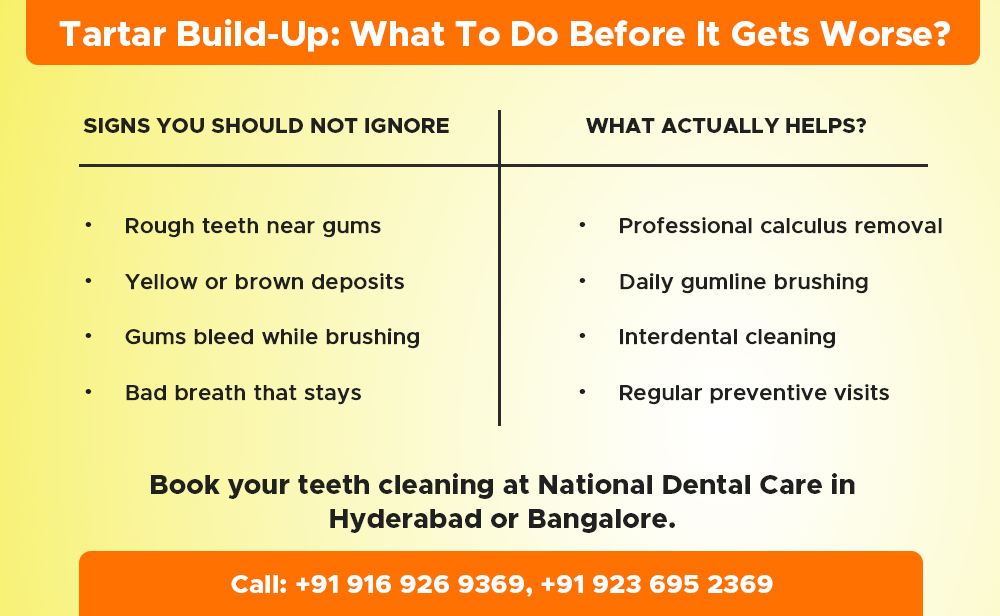
What Happens During Calculus Removal At A Dental Clinic?
Most patients feel relieved when they get calculus removal done. At the clinic, the appointment goes like your dentist looks at where the tartar is sitting, how much is present, and whether the gums are swollen, or bleeding.
Then scaling starts, it is the cleaning step used to remove the hard deposits. The dentist or hygienist gently removes calculus from the teeth and around the gumline.
Once the deposits are cleared, polishing helps smooth the tooth surfaces. This makes the teeth feel cleaner and can make it harder for fresh plaque to stick quickly.
If tartar has collected deeper below the gumline and the gums are already inflamed, a more detailed cleaning may be advised.
What Kind Of Cleaning Might Be Needed?
| What Your Mouth Looks Like | What The Dentist May Suggest |
|---|---|
| Light tartar near the gums | Routine scaling and polishing |
| Bleeding gums with visible deposits | A more detailed cleaning visit |
| Tartar below the gumline | Deep cleaning if needed |
| Repeated heavy build-up | Cleaning plus a prevention plan |
Most people do not describe the procedure as painful. If the gums are already irritated, you may feel some sensitivity, but it is manageable when performed by a dentist in HSR layout.
What Is The Best Calculus Preventive Measure For Daily Life?
The best calculus preventive measure is a simple routine that you can actually stick to. Here is what helps the most:
- Brush twice a day with attention near the gumline
- Clean between the teeth every day
- Do not ignore bleeding gums
- Cut down on tobacco if you consume it
- Go for regular cleanings instead of waiting for visible build-up
Book An Appointment At National Dental Care For Teeth Cleaning
If your gums have started bleeding, your teeth feel rough, or you can see hard deposits near the gumline, this is the right time to get it checked. Waiting does not make tartar smaller but gives more time to collect.
At National Dental Care, we help patients with professional teeth cleaning, preventive dentistry, and practical guidance that makes sense in daily life. With 15+ branches, 22+ years of experience, we are the best dental clinic in Hyderabad.
To book an appointment Call: Hyderabad: +91 916 926 9369, Bangalore: +91 923 695 2369. And get the tartar removed properly, at a dental clinic in Bangalore.
FAQs
What Is The Difference Between Plaque And Calculus?
Plaque is a soft, sticky film that forms on the teeth every day. Calculus is plaque that has hardened over time, which is why it usually needs professional removal.
Is Calculus Removal Painful?
Most people manage it well. If your gums are already sore or inflamed, you may feel some sensitivity, but early cleaning is usually much easier than waiting longer.
How Often Should You Remove Calculus?
That depends on how quickly your mouth builds it up. Many people do well with a cleaning every six months, while others may need it sooner.
Can Calculus Cause Bad Breath?
Yes, it can. Calculus holds bacteria close to the gums, and that can lead to ongoing bad breath and gum irritation.
What Is The Best Calculus Preventive Measure If It Keeps Coming Back?
The best plan is simple and consistent: brush well near the gumline, clean between the teeth daily, and do not delay professional cleanings. If tartar keeps coming back, your dentist can help you find the areas you are missing.
Recent Article
October 16, 2026
Gum Disease Treatment Cost in Hyderabad
October 2, 2026
Can I Switch From Braces To Invisalign Mid Treatment?
September 17, 2026
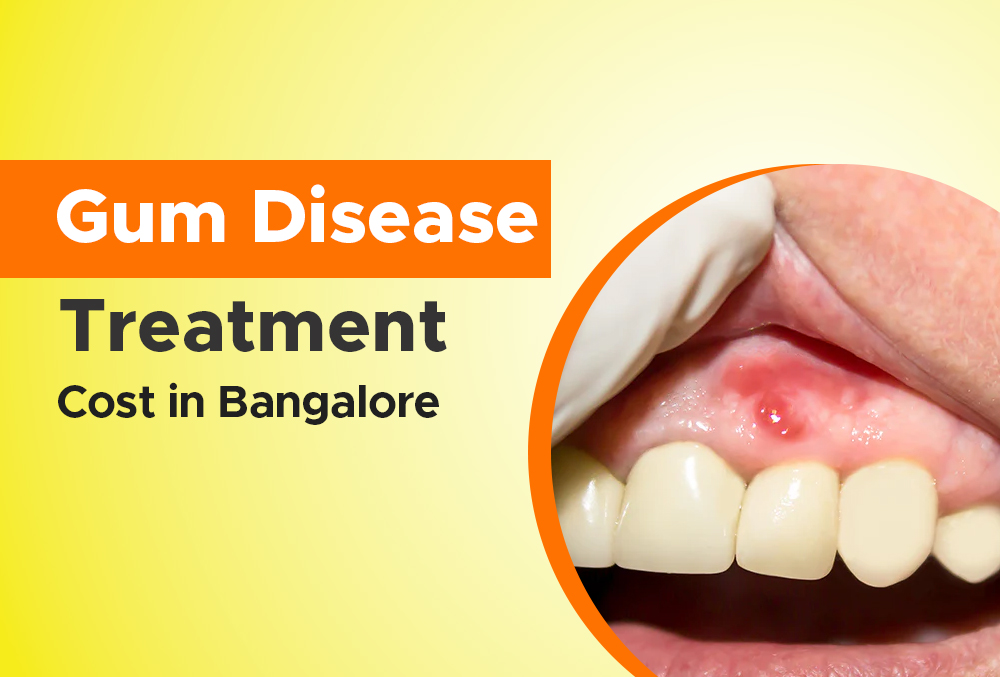
Gum Disease Treatment Cost in Bangalore

August 15, 2026
Halitosis: Causes, Treatments & Prevention
July 15, 2026
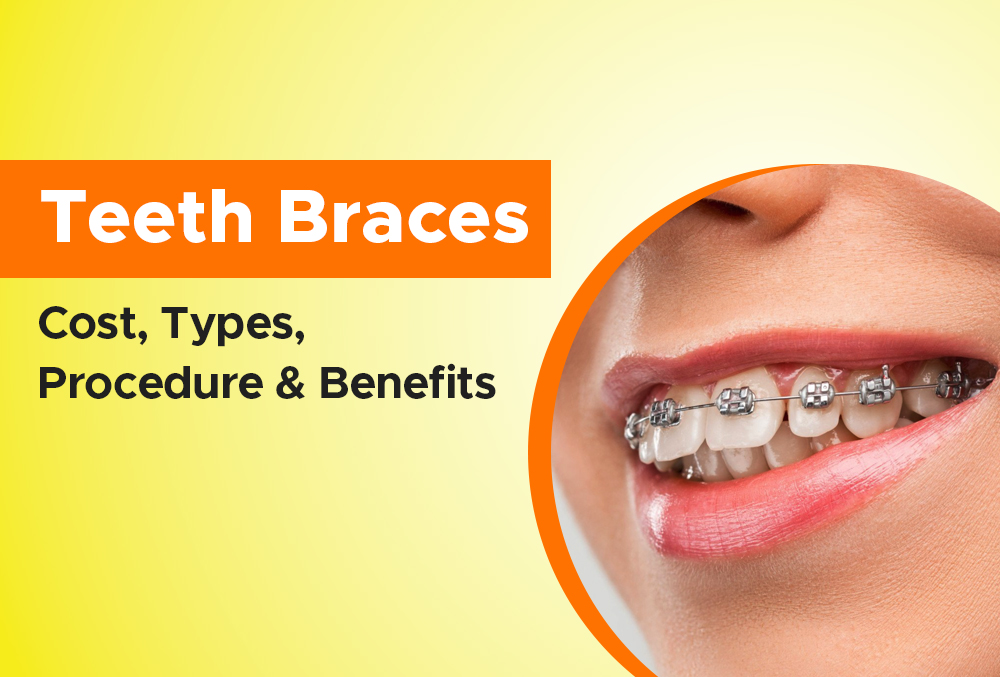
Teeth Braces — Cost, Types, Procedure & Benefits
May 18, 2026
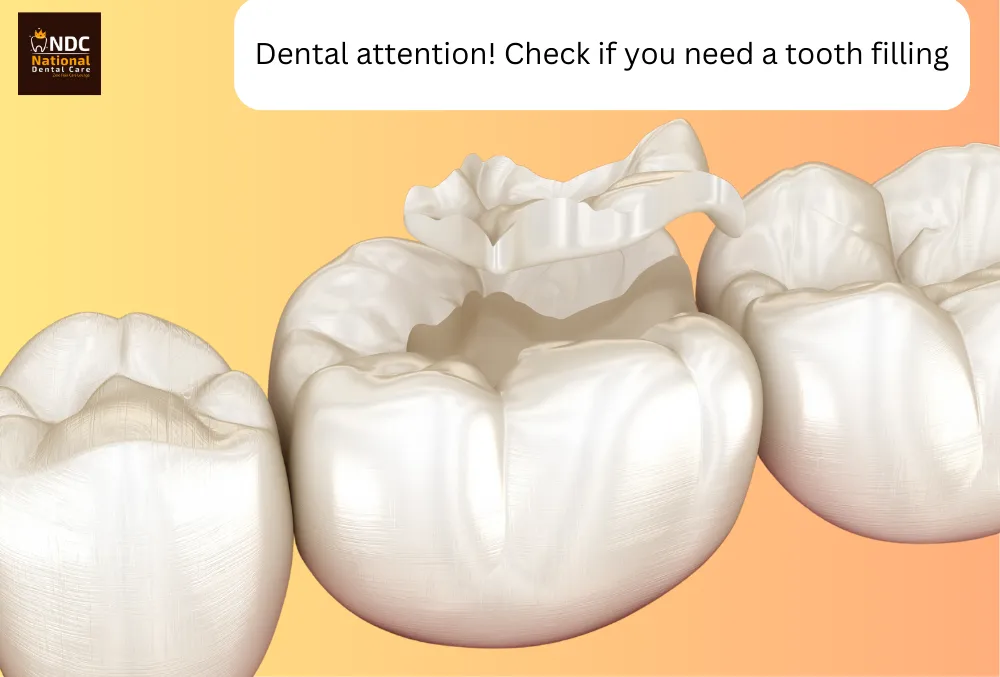
Dental attention! Check if you need a tooth filling
April 6, 2026
Exposed Tooth Root Symptoms, Causes, and Treatments
 FAQs
FAQs Send us a Message!